Roof Leaking After Heavy Rain in Nashville? What to Do First
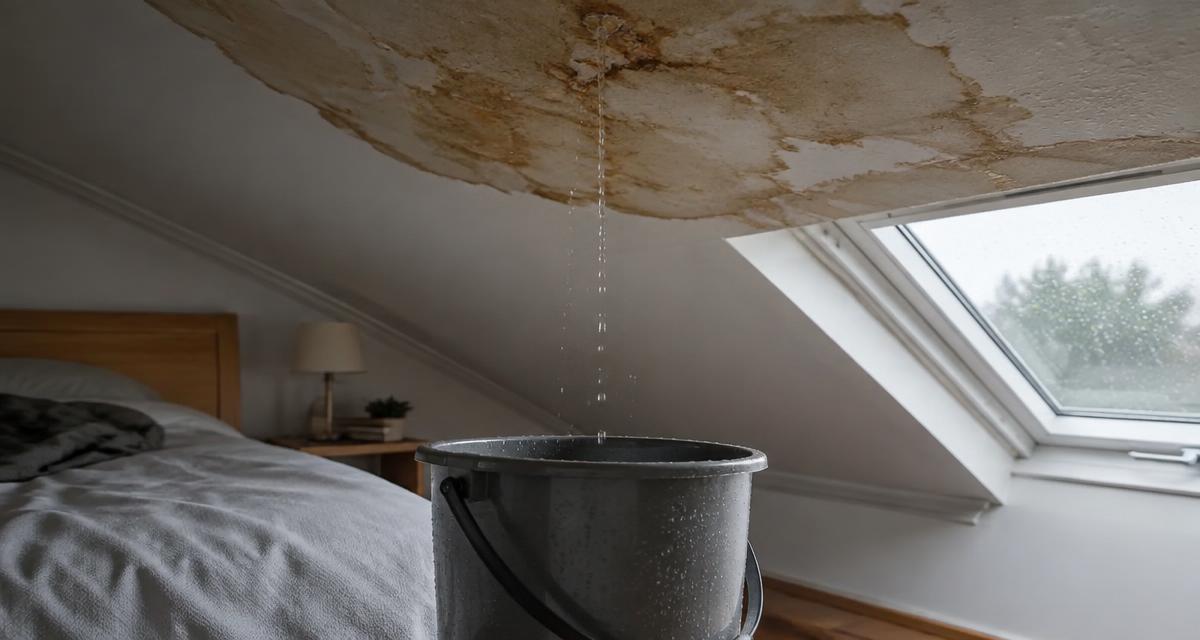
A roof leak during a Nashville downpour is a safety problem first and a repair problem second. Protect people, electricity, and the structure before trying to locate the opening. This guide explains what a homeowner can safely do, what to document, and when the job belongs to a professional.
What should you do first when your roof starts leaking?
- Move people, pets, furniture, and electronics away from the wet area.
- If water is near a light, outlet, ceiling fan, breaker panel, or appliance, do not touch the wet fixture. Shut off the affected circuit only if you can reach the panel without crossing water; otherwise call the fire department or an electrician.
- Stay out from under bulging or sagging drywall. Saturated ceilings can fail.
- Set a wide container under a drip and protect the floor with plastic or towels.
- Photograph the leak, the room, damaged belongings, and the weather conditions.
- Call a roofer for exterior diagnosis and your insurer if the damage may justify a claim.
FEMA warns that wet ceilings and floors may be unsafe after a disaster. Do not climb into a wet attic or onto a storm-soaked roof to investigate. FEMA: returning home safely
Why heavy Nashville rain exposes roof problems
Nashville's National Weather Service office records a normal annual precipitation total of 50.51 inches. The region can also receive exceptional rain in a short window: on May 1–2, 2010, Nashville measured 6.32 inches and then 7.25 inches on consecutive days. NWS Nashville climate records NWS May 2010 flood
Heavy rain does not always create the defect. It often reveals a weak point that lighter rain did not expose: failed flashing around a chimney or vent, lifted shingles, an aging pipe boot, a backed-up gutter, wind-driven rain at a wall intersection, or an opening left by storm debris. Water may travel along decking or framing before appearing inside, so the ceiling stain may not sit directly below the roof opening.
Can you stop the water yourself?
Contain water indoors if it is safe. Do not walk on a wet roof, lean a ladder against a slick gutter, or enter an attic with uncertain footing or electrical exposure. A tarp can limit further damage, but installation on a steep or wet roof belongs to an insured roofing professional.
Tennessee consumer guidance recommends making reasonable temporary repairs to prevent additional damage while preserving receipts and avoiding permanent repairs before the insurer has documented the loss. Tennessee Attorney General storm-recovery tips
If a ceiling is bulging, keep everyone away. Do not puncture it unless a qualified professional has evaluated the electrical and collapse hazards. A bucket is useful only when the ceiling remains stable and the drip is accessible.
What should you photograph and save?
Create a simple record before cleanup changes the scene:
- Wide and close photos of every affected room
- Video showing active dripping, when safe
- Exterior photos taken from ground level
- The date, start time, and duration of the leak
- Screenshots or records of the storm and any insurer claim number
- Damaged-property photos and a room-by-room inventory
- Receipts for tarps, drying, emergency service, or temporary lodging
- Names, licenses, estimates, and written scopes from contractors
The Tennessee Department of Commerce & Insurance recommends contacting the insurer promptly, documenting damage, preventing further loss, and keeping receipts. TDCI post-disaster claims guide
Who should you call in Nashville?
Call 911 or the utility for fire, sparking, a suspected gas leak, a partial collapse, or a tree contacting power lines.
Call a roofer when the leak follows rain, especially near roof penetrations, valleys, flashing, or missing shingles. Compare roofing companies in Nashville and ask for the defect, temporary protection, and permanent repair to be listed separately.
Call a restoration company when water has reached insulation, multiple rooms, flooring, or wall cavities. Drying matters: CDC guidance says wet materials should be cleaned and dried within 24–48 hours when possible to reduce mold growth. CDC mold guide
Call an electrician before anyone opens a wet ceiling containing wiring or energized fixtures.
Call Metro Codes before structural rebuilding or when permit requirements are unclear. Metro Nashville says permits are required before covered repairs involving drywall, electrical, plumbing, HVAC, or structural work begin, with special information for weather-damaged property. Metro Nashville storm-damage permits
How do you avoid a storm-repair scam?
Verify identity, insurance, and the appropriate Tennessee license. Tennessee generally requires a contractor license when a project is $25,000 or more; local licensing may apply below that amount. Confirm the current rule and license status rather than relying on a truck logo or verbal claim. Tennessee contractor licensing
Do not sign over insurance benefits, pay the full amount before work, or accept a vague scope. Ask who will install the tarp, who will diagnose the opening, what material will be used, whether decking or flashing is included, and who handles permits.
What should happen after the rain stops?
A useful inspection separates the entry point from interior damage. Ask for photos of roof penetrations, flashing, valleys, shingles, decking, and attic moisture. Then obtain a written repair scope. If the leak has damaged framing, drywall, electrical work, or multiple rooms, a roofer may need to coordinate with restoration specialists or a general contractor.
After repairs, keep the photos, invoice, warranty, and permit record with your home documents. Inspect the same ceiling during the next rain rather than assuming a dry day proves the repair.
Nashville roof-leak checklist
- Keep people away from wet electrical fixtures and sagging ceilings.
- Contain water only from a safe location.
- Photograph before cleanup or temporary repair.
- Notify the insurer promptly when a claim may be needed.
- Use temporary protection, not an undocumented permanent repair.
- Verify contractor licensing and insurance.
- Ask Metro Codes whether the complete scope requires permits.
- Dry wet materials quickly and monitor the repaired area during later rain.
This guide provides general safety and hiring information, not a diagnosis of a specific roof or insurance coverage advice.
Roofing by town
Find a pro in Nashville
See every company serving Nashville on the Nashville directory page — free, no sign-up. You contact companies directly; we never sell your information as a lead.
The MidTen Homeowner
Enjoyed this guide? Get the next one.
Your guide to owning, maintaining & improving your Middle Tennessee home — one useful email a week, free.
No spam. Free. Unsubscribe anytime in one click.
Need a pro for this?
Browse Middle Tennessee contractors by job type or town — free, no sign-up.