HVAC Replacement Cost in Middle Tennessee: 2026 Homeowner Guide
· Last updated
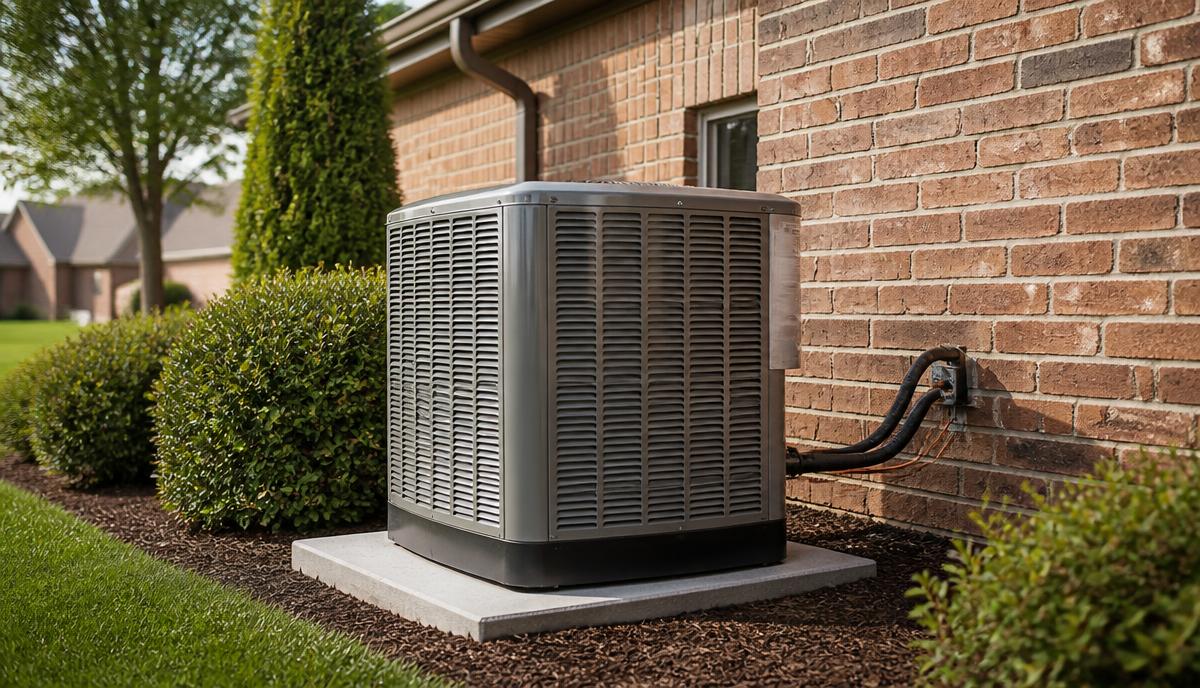
If your heating and cooling system is failing, the first decision is not which brand to buy. It is whether the problem can be repaired reliably, whether the equipment is correctly sized for the home, and whether the rest of the system—ductwork, electrical service, drain and controls—can support the replacement.
For early budgeting, current national consumer data puts a complete HVAC replacement at about $7,500 on average. Many projects fall between $5,000 and $12,500, while projects with new ductwork or major add-ons can reach about $22,000. These figures come from Angi's 2026 HVAC replacement data. They are national benchmarks, not Middle Tennessee quotes.
What should I budget for HVAC work?
| Type of work | Broad national benchmark | What can change it |
|---|---|---|
| Diagnostic or maintenance visit | $100–$650 | Membership plan, system type, access and added cleaning |
| HVAC repair | $100–$3,000 | Part, refrigerant, labor, warranty and emergency timing |
| Typical system replacement | $5,000–$12,500 | Capacity, equipment match, efficiency and installation scope |
| Replacement with major add-ons | Up to about $22,000 | Ductwork, filtration, zoning, electrical or structural work |
The maintenance and repair figures are national ranges from Angi's current HVAC maintenance and HVAC repair data. A written diagnosis and local estimate are still necessary.
When should I repair my HVAC system?
Repair usually deserves the first look when the system has been reliable, the failure is isolated, the equipment is still supported, and the repair restores normal performance without masking a larger airflow or refrigerant problem.
Ask the technician to write down:
- The failed component and the test that confirmed it.
- Whether the part is covered by a manufacturer or labor warranty.
- The complete repair price, including refrigerant and return visit.
- Any other measured problem, such as high static pressure or abnormal temperature split.
- How the repair affects the remaining system warranty.
A repair quote that only says “not cooling” or “add refrigerant” is not a diagnosis. Refrigerant operates in a closed circuit; if charge is low, ask how the leak will be found and addressed.
When should I replace my HVAC system?
Replacement becomes more reasonable when failures repeat, a major repair approaches a meaningful share of replacement cost, comfort has been poor for years, parts or refrigerant are difficult to obtain, or the system has safety-related damage.
ENERGY STAR suggests considering replacement when an air conditioner or heat pump is more than 10 years old or a furnace is more than 15 years old. Age is a screening question, not an automatic verdict. Read ENERGY STAR's repair-or-replace guidance, then compare the actual repair, remaining warranty and full replacement scope.
Our repair-or-replace HVAC checklist walks through the decision without relying on age alone.
What should a complete HVAC replacement estimate include?
| Estimate item | What should be written down |
|---|---|
| Load calculation | Heating and cooling design loads, not square footage alone |
| Equipment | Manufacturer and exact indoor and outdoor model numbers |
| Capacity | Nominal tonnage and why it fits the calculated load |
| Efficiency | SEER2, EER2 and HSPF2 where applicable |
| System match | AHRI reference or other proof the equipment is rated together |
| Ductwork | Inspection findings, measured static pressure and required changes |
| Electrical | Breaker, disconnect, wiring or panel work included or excluded |
| Refrigerant | Refrigerant type, line-set plan and commissioning procedure |
| Drainage | Condensate drain, trap, overflow protection and pump if needed |
| Controls | Thermostat model, included sensors and zoning work |
| Permits | Who pulls the permit and schedules inspection |
| Warranty | Parts, compressor, heat exchanger and labor terms |
| Commissioning | Airflow, charge and startup measurements supplied at completion |
Insist on model numbers before comparing bids. “Three-ton, high efficiency” is not enough to compare equipment, performance or warranty.
Why does proper sizing matter?
Bigger is not automatically better. An oversized cooling system can satisfy the thermostat quickly without running long enough to manage humidity well. An undersized system may struggle during design weather. Existing ductwork and room-by-room airflow also affect whether new equipment performs as rated.
Ask for a recognized residential load calculation and an explanation of the design assumptions. Do not accept a replacement size based only on the old nameplate or a rough square-foot rule. DOE-backed guidance stresses that heat-pump performance and comfort depend on correct sizing and system selection. See the DOE sizing and selection guide.
What do SEER2 and HSPF2 mean?
SEER2 describes seasonal cooling efficiency. EER2 reflects cooling performance at a defined operating condition. HSPF2 describes seasonal heating efficiency for heat pumps. Higher ratings indicate greater measured efficiency, but they do not guarantee lower bills if the system is oversized, ducts leak or installation is poor.
DOE updated the test procedure used for central air conditioners and heat pumps, so current equipment is labeled with newer SEER2 and HSPF2 metrics. Use model numbers to confirm published ratings rather than comparing a salesperson's rounded description. DOE's current equipment guidance explains how certified products are identified.
Is a heat pump a good fit for Middle Tennessee?
An air-source heat pump heats and cools with one refrigeration system. It can be a practical option for Middle Tennessee, but the right design depends on the home's heating load, electrical capacity, duct system, utility rates and desired backup heat.
Ask each bidder to explain:
- The heat pump's heating capacity at lower outdoor temperatures—not only its nominal tonnage.
- Whether auxiliary electric heat, a gas furnace or another backup is proposed.
- The temperature at which controls change or add heat sources.
- The estimated electrical work and operating assumptions.
- Whether existing ducts can deliver the required airflow.
Do not compare a basic single-stage heat pump, a variable-capacity cold-climate model and a dual-fuel system as if they were the same product. They solve the problem differently.
Are HVAC rebates available in Middle Tennessee?
TVA EnergyRight and participating local power companies offer incentives for some qualifying efficiency improvements. Eligible equipment, contractor requirements, service territories and dollar amounts can change. Check the current TVA EnergyRight residential rebate page before choosing equipment, and confirm eligibility before installation. Some programs require a participating contractor or pre-approval.
Do not subtract an old federal credit from a 2026 proposal without checking it. The IRS says the Energy Efficient Home Improvement Credit applied to qualified improvements placed in service through December 31, 2025. Review the current IRS credit page or ask a qualified tax professional; a contractor's marketing sheet is not tax advice.
Does HVAC replacement require a permit?
Permit rules depend on the city or county with jurisdiction over the property. Metro Nashville's published permit list states that a new or replacement air-conditioning unit requires a gas/mechanical permit. Review Metro's permit-required guide for Nashville and Davidson County.
For Franklin, Murfreesboro, Hendersonville, Lebanon, Clarksville and other communities, confirm directly with the applicable local codes department. Ask who pulls the permit, what inspection is required and whether electrical or gas work needs a separate permit.
Does an HVAC contractor need a Tennessee license?
Tennessee requires a state contractor license before a prime contractor bids or contracts on a project of $25,000 or more. Mechanical and HVAC subcontractors also face licensing requirements when their portion reaches the threshold. The Tennessee Board for Licensing Contractors explains the current rule on its contractor licensing page.
Many residential HVAC jobs fall below that state threshold, but permits, local licensing and trade requirements can still apply. Verify any claimed state license at verify.tn.gov, confirm insurance, and check rules for the property's jurisdiction.
How do I compare two HVAC quotes fairly?
First, make the scopes match. A lower quote may exclude permits, thermostat, line-set work, drain protection, electrical changes, duct correction or labor coverage.
- Compare exact indoor and outdoor model numbers.
- Compare rated combinations, capacity and efficiency—not brand alone.
- Compare the load calculation and duct findings.
- Separate required corrections from optional comfort upgrades.
- Ask what startup measurements you receive after installation.
- Read labor warranty exclusions and registration deadlines.
- Confirm who handles permits, inspection and old-equipment disposal.
- Ask what happens if the system does not maintain the agreed indoor conditions.
A professional proposal should let another qualified contractor understand exactly what is being installed.
What red flags should I watch for?
- Recommending a size without measuring or discussing the house.
- Replacing equipment while ignoring known hot, cold or humid rooms.
- No model numbers or efficiency ratings in writing.
- “Free” add-ons with no itemized scope.
- No permit discussion.
- A large deposit paired with pressure to sign immediately.
- Claims that every rebate or tax credit automatically applies.
- No written commissioning or startup process.
How do I get a useful local HVAC price?
Get two or three written proposals based on the same comfort goals and ask each contractor to separate equipment replacement from duct, electrical and indoor-air-quality options. If one quote is far lower, find the missing scope before assuming it is a bargain.
Browse Middle Tennessee HVAC companies, or compare companies serving Nashville, Franklin, Murfreesboro and Brentwood. You contact companies directly; MidTen Home Pros does not sell your information as a shared lead.
Sources and pricing note
Pricing benchmarks are national consumer-market figures from Angi's 2026 HVAC replacement, repair and maintenance guides. Efficiency guidance comes from the U.S. Department of Energy and ENERGY STAR. Tennessee rules come from the Tennessee Board for Licensing Contractors, and the Nashville permit example comes from Metro Codes. Prices, incentives, permit rules and equipment availability change. This guide is educational and is not a quote, load calculation, tax opinion or legal advice. Verify current requirements and obtain a written local proposal before committing to work.
The MidTen Homeowner
Enjoyed this guide? Get the next one.
Your guide to owning, maintaining & improving your Middle Tennessee home — one useful email a week, free.
No spam. Free. Unsubscribe anytime in one click.
Need a pro for this?
Browse Middle Tennessee contractors by job type or town — free, no sign-up.