Foundation Cracks in Middle Tennessee: When Should You Call an Engineer?
· Last updated
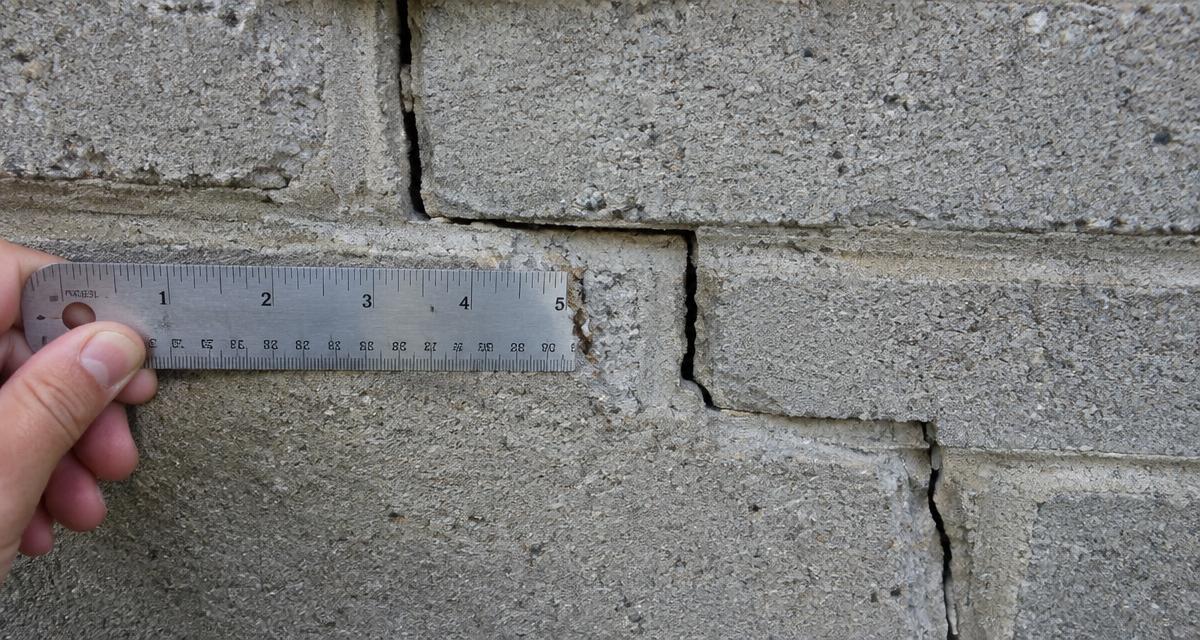
Not every foundation crack means structural failure, but width alone cannot diagnose one. Direction, displacement, location, water, soil, framing movement, and change over time all matter. An independent engineer is especially useful when safety, a major repair, or conflicting contractor opinions are involved.
Which foundation cracks need prompt attention?
Arrange professional evaluation when you see horizontal cracking or bowing in a foundation wall, displacement across a crack, rapidly widening cracks, multiple aligned symptoms, settled columns or beams, a chimney pulling away, major floor slope, or doors and windows changing together. Leave and call emergency services if movement appears active or part of the structure may fail.
Water entering through a crack also needs source diagnosis. A waterproof coating may conceal the opening without correcting drainage, pressure, or movement.
What can you document safely?
- Photograph the full wall and close detail with a ruler for scale.
- Mark crack ends and date them without drilling into the wall.
- Record nearby doors, floors, brick, drywall, and exterior grade.
- Note rainfall, plumbing leaks, drought, construction, or excavation timing.
- Gather surveys, disclosures, prior repair designs, permits, warranties, and invoices.
- Repeat photos from the same location and angle.
Do not use a short observation period to declare a crack stable. Monitoring is evidence for a professional, not a substitute for one.
Why does Middle Tennessee geology matter?
Much of Middle Tennessee is underlain by carbonate rock where dissolution can create karst features. That does not mean a crack proves a sinkhole. Soil movement, drainage, construction details, plumbing leaks, and ordinary material behavior can produce similar symptoms. A qualified professional should connect site observations to a cause.
Tennessee law requires disclosure of a known sinkhole in residential property transactions, regardless of whether it appears through contour lines on a recorded plat. Tennessee General Assembly, Public Chapter 510 The legal definition is specific; avoid labeling a depression or crack as a sinkhole without geotechnical evidence.
When should you call an independent engineer?
Consider a Tennessee-licensed structural or geotechnical engineer when structural safety is in question, movement spans multiple building systems, a repair is expensive or invasive, the cause is disputed, a buyer needs an independent opinion, or a contractor proposes piers, wall anchors, major excavation, or structural replacement.
Tennessee's engineering rules require registrants to protect public safety and practice within their areas of competence. Tennessee engineering rules of professional conduct Verify the license and ask whether the engineer has residential foundation and local soil experience.
Engineer, foundation contractor, or waterproofing contractor?
An engineer evaluates conditions and can design or specify structural work. A foundation contractor installs repairs. A waterproofing contractor manages water entry and drainage. One company may offer several services, but the incentives differ. When the diagnosis is uncertain, an independent evaluation before bids can give contractors a shared scope.
Compare Middle Tennessee foundation and waterproofing professionals, but independently verify credentials and ask who is responsible for engineering.
What questions should you ask the engineer?
- What observations support your conclusion?
- Is the concern structural, water-related, cosmetic, or still uncertain?
- Is monitoring appropriate, and for how long?
- Are soil borings, elevation measurements, plumbing tests, or drainage studies needed?
- What repair outcome is required?
- Which details need sealed drawings?
- What permit and inspection steps apply?
- Will you inspect the installed work?
Doors suddenly sticking: what to check first
A door that starts to stick does not prove the foundation has moved. Work through the simple causes before you worry:
- 1Humidity and season. Wood swells in humid weather. If the door sticks in summer and eases in winter, moisture is the likely cause.
- 2Hinges and hardware. Loose hinge screws, a sagging hinge, or a worn strike plate can shift a door by enough to rub.
- 3Paint and finish. A new coat of paint or a swollen jamb can narrow the gap.
- 4Where it rubs. Note which corner rubs. A gap that is tight at the top on the latch side and wide at the bottom can mean the frame has racked.
When it is more than a door problem: several doors and windows start to stick at once, the gap around a door frame is uneven and keeps changing, you see new cracks in drywall above door corners, floors slope or feel bouncy, or brick and foundation cracks appear nearby. Photograph the gaps with a ruler, date the photos, and repeat them in the same places. Those are the signs that make an independent engineer's evaluation worthwhile.
What should you avoid?
Avoid accepting a diagnosis based on a photo alone, covering cracks before documenting them, signing for a proprietary system before understanding the cause, or assuming every sticking door proves settlement. Humidity, framing, hardware, and finishes can create similar symptoms.
This guide is educational and cannot determine structural safety. When safety is uncertain, keep people away and obtain an onsite evaluation.
Foundation & Waterproofing by town
The MidTen Homeowner
Enjoyed this guide? Get the next one.
Your guide to owning, maintaining & improving your Middle Tennessee home — one useful email a week, free.
No spam. Free. Unsubscribe anytime in one click.
Need a pro for this?
Browse Middle Tennessee contractors by job type or town — free, no sign-up.