Buying a Middle Tennessee Home With Foundation Repairs? Ask These Questions
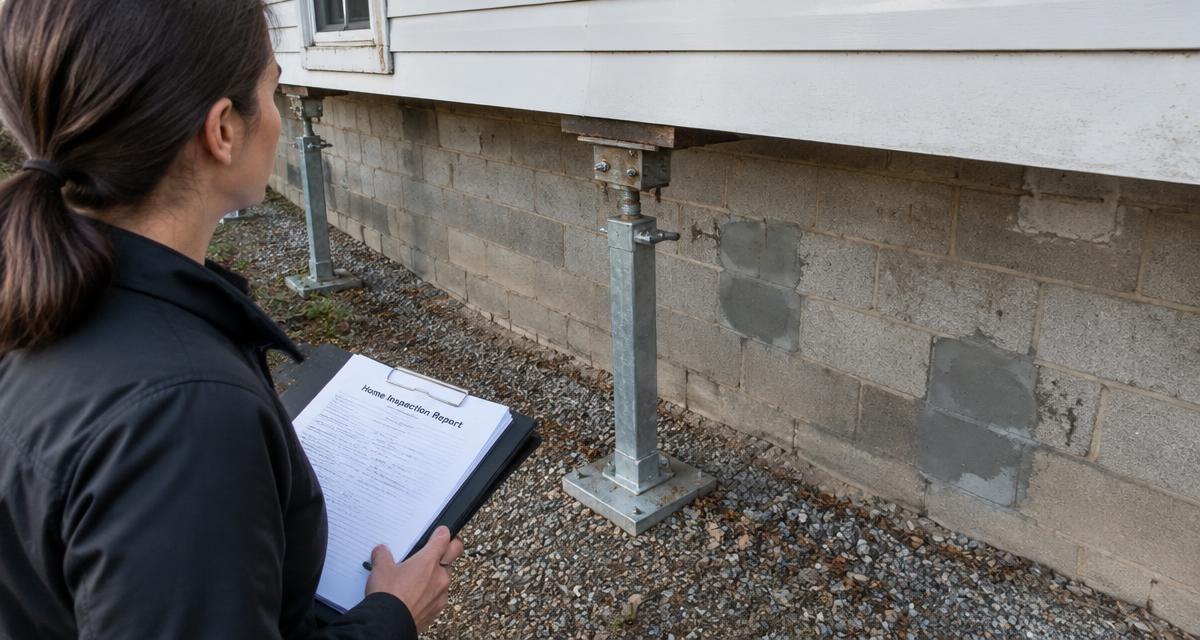
Previous foundation repair is not automatically a reason to reject a house. It is a reason to slow down, collect records, identify the original cause, and verify that the repair and surrounding drainage are performing as intended.
What documents should you request?
- The original inspection or engineering report
- Repair proposal, contract, drawings, and final invoice
- Permit and inspection records, when applicable
- Before-and-after elevation measurements and photos
- Product and installation details
- Engineer's completion letter, if engineering was involved
- Warranty terms, exclusions, transfer steps, and service history
- Drainage, plumbing, or waterproofing work completed at the same time
- Insurance claims and seller disclosures related to the issue
- Monitoring records after repair
A warranty is not a diagnosis. Read what movement, components, labor, drainage, ownership changes, and maintenance it excludes.
Was the original cause identified?
Ask whether the movement came from drainage, plumbing leakage, poorly compacted fill, expansive or weakened soil, construction details, slope movement, or another cause. Then ask what changed to prevent recurrence. Piers or wall anchors may address movement without correcting roof runoff or a leaking pipe.
Should you hire your own engineer?
Consider an independent Tennessee-licensed structural or geotechnical engineer when records are incomplete, movement is visible, the repair is extensive, the seller's contractor is the only evaluator, or the buyer needs a baseline before closing. The engineer should not be chosen solely by the company selling additional repair.
Tennessee engineering rules require licensed professionals to protect public safety and work within their competence. Tennessee engineering rules
What should the inspection include?
A general home inspection is valuable but may not replace structural or geotechnical evaluation. Ask the appropriate professionals to review the foundation, framing symptoms, floor elevations, drainage, gutters and downspouts, crawl space or basement, plumbing indicators, repair components, and adjacent grading.
Compare Middle Tennessee foundation and waterproofing professionals, while making sure the person diagnosing and the person selling work are clearly identified.
What should you know about sinkhole disclosure?
Tennessee requires sellers to disclose a known sinkhole before a residential contract, regardless of whether it appears through contour lines on a recorded plat. Tennessee General Assembly bill history
A crack, depression, or prior foundation repair does not by itself establish a sinkhole. The statutory definition involves a subterranean void created by dissolution of limestone or dolostone. If evidence raises that concern, seek qualified geotechnical and legal advice rather than relying on a sales opinion.
Are permits and completion records available?
Permit requirements vary by jurisdiction and scope. Ask the applicable city or county office for records tied to the address, and confirm whether the work described would have required review. Missing paperwork does not prove defective work, but it is a question to resolve before closing.
Does the warranty really transfer?
Call the warranty company using independently verified contact information. Ask whether the warranty is active, transferable, subject to a fee or deadline, limited to installed components, and contingent on drainage maintenance. Request the answer in writing.
Also ask for every service visit. Repeated adjustments may be important even when each visit was labeled warranty work.
What questions belong in your contingency period?
- What moved, when, and how was it measured?
- Who designed the repair and who installed it?
- Was a licensed engineer involved, and will that engineer speak with your evaluator?
- What has been monitored since completion?
- Are cracks repaired cosmetically or structurally?
- Were plumbing leaks ruled out?
- Where do gutters, slopes, and drains send water?
- What future maintenance is required?
- What does the insurer or lender need?
- What would trigger additional evaluation after purchase?
When should you pause the purchase?
Pause when safety is uncertain, documents conflict, active movement or water remains, access is blocked, a warranty cannot be verified, or the seller will not allow appropriate inspection. Real-estate deadlines do not change structural risk.
This guide is educational, not legal, engineering, lending, or insurance advice. Use qualified professionals and contract-specific advice before closing.
Foundation & Waterproofing by town
The MidTen Homeowner
Enjoyed this guide? Get the next one.
Your guide to owning, maintaining & improving your Middle Tennessee home — one useful email a week, free.
No spam. Free. Unsubscribe anytime in one click.
Need a pro for this?
Browse Middle Tennessee contractors by job type or town — free, no sign-up.